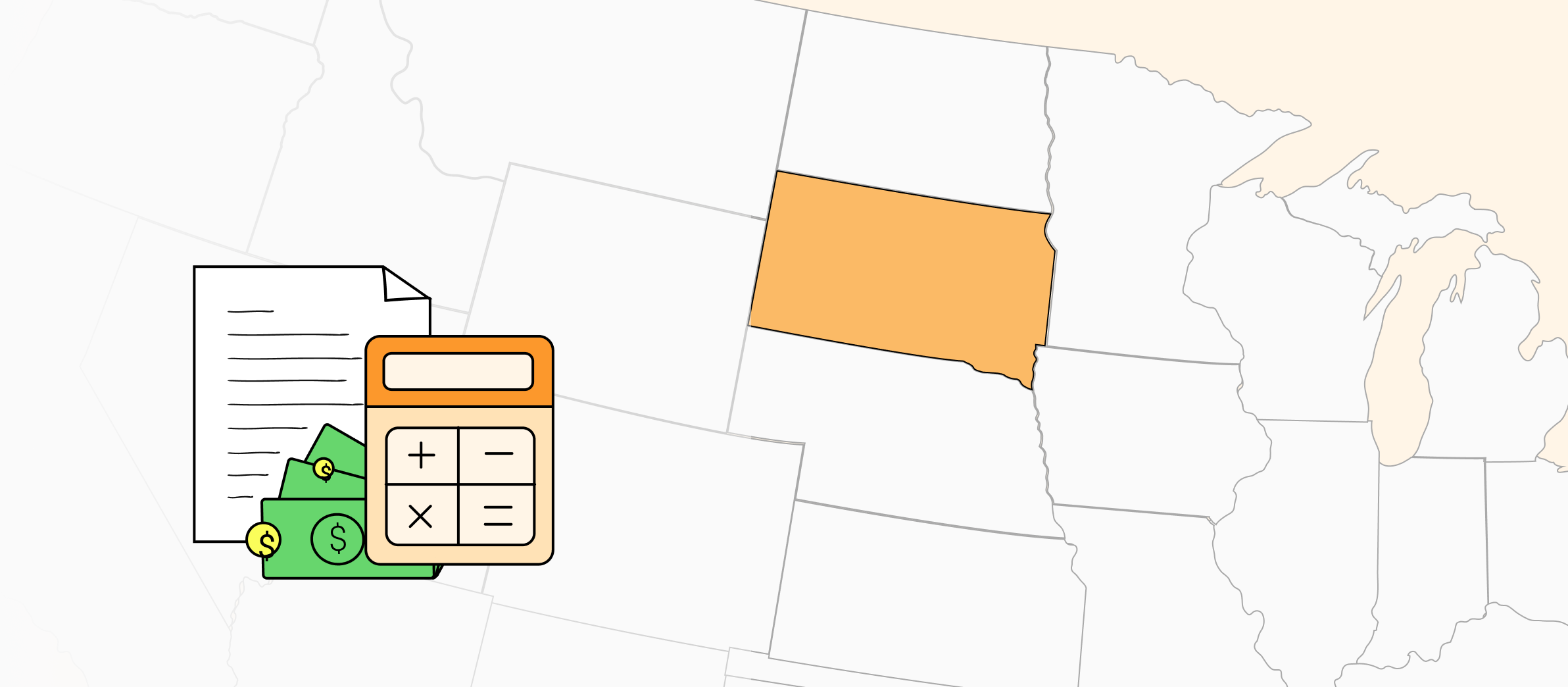
Understanding South Dakota’s security deposit law helps landlords and tenants set clear expectations from the start. Clear rules on charges, deductions, and return timelines reduce confusion and make move-out discussions easier for everyone.
This guide explains the key requirements, including how much a deposit can be, how landlords must handle it, whether interest applies, when deductions are allowed, how and when landlords must return deposits, and how disputes are resolved.
Statutes Regulating South Dakota Security Deposits
South Dakota’s security deposit rules are set out in Chapter 43-32 of the South Dakota Codified Laws, which govern how landlords collect, manage, deduct from, and return deposits. The key statutes include provisions on maximum deposit amounts, required procedures, timelines for returning deposits, and allowable deductions under SDCL § 43-32-6.1 through § 43-32-24.
Some cities and counties may have regulations that are more restrictive than those presented here. Always check local laws before collecting a security deposit.
Maximum Security Deposit Amounts Under South Dakota Law
| Quick Facts | Answer |
| Maximum / Limit | Usually 1 Month’s Rent |
| Receipt Requirement | None |
| Inventory Requirement | None |
| Interest Requirement | None |
South Dakota generally limits security deposits to 1 month’s rent. A landlord may collect more only if the tenant agrees in writing and special conditions pose a danger to the maintenance of the premises, making a higher deposit reasonable.
Security Deposit Storage Regulations
South Dakota law does not set any rules for how landlords must store security deposits. The state does not require a specific type of bank account, a receipt, or notice to the tenant about where the funds are kept. Landlords may hold deposits in any way that keeps the money accessible for lawful deductions and timely returns.
Security Deposit Interest in South Dakota
South Dakota law does not require landlords to place security deposits in interest-bearing accounts. Landlords can hold these funds in any standard account they prefer, and you do not have to pay tenants interest on their deposits.
Making Security Deposit Deductions
Security deposit deductions play a key role in maintaining rental properties in South Dakota. When a tenant leaves damage beyond normal wear and tear, landlords may use the deposit to cover repair costs and restore the unit to its prior condition.
When Landlords Can Deduct
South Dakota landlords may use a tenant’s security deposit in the following situations:
- Repair damage beyond normal wear and tear
- Replace fixtures or appliances that the tenant damaged during the lease
- Complete extra cleaning required to bring the unit back to a livable standard
- Cover unpaid rent or other charges allowed under the lease terms
- Remove abandoned belongings or excess debris left behind by the tenant
When Landlords Can’t Deduct
South Dakota landlords may not use a tenant’s security deposit in the following situations:
- Addressing everyday wear that results from standard use over time
- Repainting minor scuffs or faded areas caused by normal living
- Replacing aging flooring that shows routine use rather than damage
- Paying for general upgrades or property improvements unrelated to tenant actions
- Fixing issues documented during the move-in inspection that predated the tenancy
Necessary Documentation to Accompany Deductions
South Dakota landlords do not have to give tenants receipts, invoices, or similar records when deducting from a security deposit. Landlords can still offer documentation to keep communication clear and prevent misunderstandings.
What to Do When Deductions are Greater Than the Deposit
Sometimes a tenant leaves damage that costs more than the security deposit can cover. When that happens, South Dakota landlords can request the remaining amount directly from the former tenant and give them a reasonable window to pay. If the tenant refuses, landlords can proceed to the next step to recover what they are owed.
Landlords who cannot collect the outstanding balance can file a claim through South Dakota small claims court or pursue the debt via a private collections agency.
Returning Security Deposits to Tenants

South Dakota law outlines clear steps that landlords must follow when returning any remaining portion of a tenant’s security deposit after all valid deductions.
Required Timeline for Return
South Dakota landlords must return the security deposit within 14 days after the tenancy ends, upon receiving the tenant’s forwarding address. If the landlord makes any deductions, they must provide a written, itemized statement within 45 days after the tenancy ends. The 14-day return period begins only once the landlord receives the forwarding address.
Method for Return
South Dakota law does not specify a required method for returning a security deposit. Landlords may return the deposit by mail or other reasonable means, provided the deposit or required written notice is delivered within the statutory timeframe.
Penalties for Late Return
If a South Dakota landlord fails to meet the statutory deadlines or provide the required written explanations for withholding portions of a security deposit, they forfeit the right to retain any of the deposit. A tenant may then pursue the full amount in court, and a judge may award additional penalties for bad-faith retention.
Security Deposit Disputes
When tenants believe a landlord mishandled their security deposit, they have the right to raise a dispute. Tenants usually start by reviewing the itemized deductions, asking for clarification, and sharing their own side of the story. If they can’t resolve the issue directly with the landlord, they may turn to mediation or eventually pursue the matter in small claims court.
Landlords can prepare for disputes by using move-in and move-out checklist forms, staying up to date with accounting and bookkeeping, and keeping clear terms in all lease agreements. Strong documentation, familiarity with South Dakota laws, and attention to required timelines also help strengthen a landlord’s case.
Using Condition Reports to Document Damage

When handling security deposits in South Dakota, landlords should use condition reports to track a unit’s condition from day one, clarify responsibility for damage, and make fair and traceable deductions.
To get started, use property management software to create digital reports, including photos and videos, directly from a smartphone. Documenting the property before move-in and after move-out makes security deposit deductions far less open to debate.
Sign up for a free TurboTenant account to collect deposits, store documents, and keep every tenancy running smoothly.
FAQs: South Dakota Security Deposit Law
Can a landlord deduct painting from a security deposit in South Dakota?
Landlords may deduct painting costs only when a tenant causes damage that goes beyond normal wear and tear. Routine repainting between tenants counts as standard upkeep, so landlords cannot charge tenants for it.
Are nail holes considered normal wear and tear in South Dakota?
Small nail holes from hanging light items usually qualify as normal wear and tear. Larger holes, wall anchors, or significant markings fall outside everyday use, and landlords may deduct repair costs in such cases.
Does the landlord or tenant have to pay for carpet cleaning in South Dakota?
Landlords may charge tenants for carpet cleaning only when tenants leave stains, excessive dirt, or other damage beyond normal wear and tear. Basic cleaning associated with ordinary turnover remains the landlord’s responsibility and cannot be deducted from the deposit.
What happens if a landlord doesn’t return a security deposit within 14 days in South Dakota?
When a landlord fails to return the deposit within 14 days of receiving the tenant’s forwarding address, they give up the right to keep any portion. In these instances, tenants may then pursue the full deposit amount through legal action.