
A tenant background check in Georgia gives landlords like you peace of mind before handing over the keys. But if you skip proper tenant screening, you risk late rent payments, property damage, or safety concerns that can quickly turn into an ongoing headache.
In this article, we’ll dig into what background checks include, Georgia and federal screening laws, how to run checks the right way, practical tips for smoother screening, and digital tools that streamline the process. Stay tuned for clear, landlord-friendly guidance that helps you screen with confidence.
Information Georgia Background Checks Cover
Before screening a tenant, you should understand the types of details these reports typically include. This section introduces the main categories landlords review when evaluating rental applicants in Georgia:
Identity Verification
Landlords rely on accurate identity information to ensure screening results match the correct applicant. Screening services verify details such as legal name, date of birth, and prior addresses using government-issued identification and related records. Accurate data helps prevent mix-ups and keeps the screening process organized and reliable.
Income Verification
Steady income shows whether an applicant can reasonably afford the rent over time. Screening typically includes pay stubs, bank statements, or employer verification to confirm reported earnings. This information outlines financial stability and highlights the likelihood of consistent, on-time payments.
Criminal Background
Criminal history checks surface reported convictions that may relate to resident safety or property protection. Screening providers search relevant local, state, and national databases and compile available records. This information becomes part of the overall screening report and supports consistent evaluation using established rental criteria.
Credit History
An applicant’s payment history reflects how they manage ongoing financial obligations. Screening services obtain credit data from major reporting agencies, including payment patterns and account history. Georgia landlords must comply with the federal Fair Credit Reporting Act when using this information, including requirements for consent and adverse action.
Eviction History
Prior eviction records show whether an applicant has been involved in past landlord-tenant court cases. Screening reports include filing dates, court locations, and case outcomes when available. Access to this information helps landlords form part of the applicant’s rental history and reflects prior housing-related legal activity.
Rental History
A tenant’s past rentals outline their housing history and prior lease performance. Landlords may gather this information through previous landlord references or application records. These details can include payment consistency, lease compliance, property condition, and overall tenancy history.
Employment History
Stable employment indicates whether an applicant has consistent, ongoing income. Landlords verify this information through employer confirmation or supporting documents such as offer letters or recent pay records. Employment details provide context about income continuity and overall financial reliability.
How to Run a Background Check in Georgia
Running a background check follows a clear process that helps landlords stay organized and compliant at each step:
- Collect the rental application and written consent: Start with a completed application and signed authorization form. Written consent allows you to legally access credit and background reports.
- Verify the tenant’s identity and address history: Confirm the applicant’s name, date of birth, and prior addresses to ensure records match the correct individual.
- Run criminal background and sex offender checks: Search available databases for reported convictions or registry listings and apply the same screening standards to every applicant.
- Pull the credit report and review results: Examine payment history, outstanding balances, and overall credit activity to understand financial patterns.
- Analyze eviction history and court records: Review prior landlord-tenant filings, case dates, and outcomes to identify past housing-related disputes.
- Verify employment, income, and rental history: Confirm job status, reported income, and prior landlord references to complete the applicant’s profile.
- Review results against the screening criteria: Compare all findings with your written standards to ensure decisions are consistent and well documented.
Many landlords simplify this workflow with third-party screening software that manages consent, reporting, and results in one place.
Federal Screening Laws
Several federal laws set the foundation for how landlords screen tenants in every state, including Georgia. These nationwide standards outline how applications are handled, how reports are used, and how screening decisions must be made. They include:
Fair Credit Reporting Act: Federal law regulates how landlords obtain and use consumer reports. The FCRA requires written authorization before pulling a report and mandates an adverse action notice if you deny an application based on screening results. It also sets standards for accuracy and applicant dispute rights.
Equal Credit Opportunity Act: The ECOA requires landlords to apply credit-related standards consistently. Rental decisions must rely on objective financial qualifications and may not discriminate against protected applicants in any credit-based evaluation.
Americans with Disabilities Act: The ADA protects applicants with disabilities during the rental process. Landlords must consider reasonable accommodation requests during screening when they do not create undue hardship or fundamentally alter the housing arrangement.
Georgia Screening Laws
Beyond federal requirements, Georgia has its own tenant screening laws that reinforce national protections and guide how landlords operate within the state. These rules influence how landlords can establish screening criteria, evaluate applications, and make rental decisions.
Permitted screening criteria: Georgia landlords may use reasonable, business-related standards such as income, credit history, rental history, and prior lease performance when evaluating applicants. While Georgia law does not list specific approved criteria, screening practices must comply with the state’s fair housing protections and may not be applied in a discriminatory manner (O.C.G.A. § 8-3-202).
Prohibited screening criteria: Georgia law prohibits housing decisions based on race, color, religion, sex, disability, familial status, or national origin. Landlords may not refuse to rent, apply different terms, or implement policies that result in unlawful discrimination against protected groups (O.C.G.A. § 8-3-202).
Considering a tenant’s criminal history: Georgia law does not prohibit landlords from reviewing criminal convictions during the screening process. However, criminal history policies must comply with federal and state fair housing laws. Blanket exclusions or overly broad policies may be seen as discriminatory, so screening practices should focus on relevant convictions and consider the nature and timing of offenses (O.C.G.A. § 8-3-202).
Adverse action requirements: When denying an application, landlords must ensure the decision does not violate Georgia’s fair housing protections. State law prohibits refusing to rent based on protected characteristics, and any denial based on a consumer report must comply with federal adverse action requirements (O.C.G.A. § 8-3-202).
Reusable tenant screening reports: Georgia does not require landlords to accept reusable tenant screening reports. Property owners may obtain their own consumer reports, provided they comply with federal consumer reporting laws and apply screening practices in a manner consistent with state and federal fair housing protections (O.C.G.A. § 8-3-202).
Tips for Analyzing a Tenant Background Check

A background check uncovers essential information, but how you evaluate it shapes the outcome. Here are a few tips to ensure a consistent approach that helps you make fair decision and reduce risk:
Apply the same screening criteria to every applicant: Set clear, written standards for income, credit, and rental history. Using the same benchmarks each time keeps decisions even and easier to support.
Consider the full report, not just summary scores. Summary scores only provide a snapshot. Reading the full report gives context and helps you understand how each detail connects to your rental standards.
Focus on recent housing-related issues: Give greater attention to recent activity directly tied to rent payments, lease compliance, and housing stability. Older or unrelated records may carry less significance.
Weigh patterns over isolated events: Recurring issues often tell a more complete story than a single incident. Patterns provide better insight into overall reliability than one-offs.
Allow applicants to explain or dispute results: Mistakes and outdated records happen. Offering a chance to explain or correct information can prevent avoidable denials.
Document how each decision was made: Keep simple notes showing how each report aligned with your criteria. Documentation supports consistency if questions come up later.
Follow all federal, Georgia, and local screening laws: Follow federal, Georgia, and local requirements to ensure your process remains lawful from start to finish.
Once your review process is solid, the next step is to choose a tool to help you stay organized and compliant while screening candidates.
Georgia-Compliant Tenant Screening Software
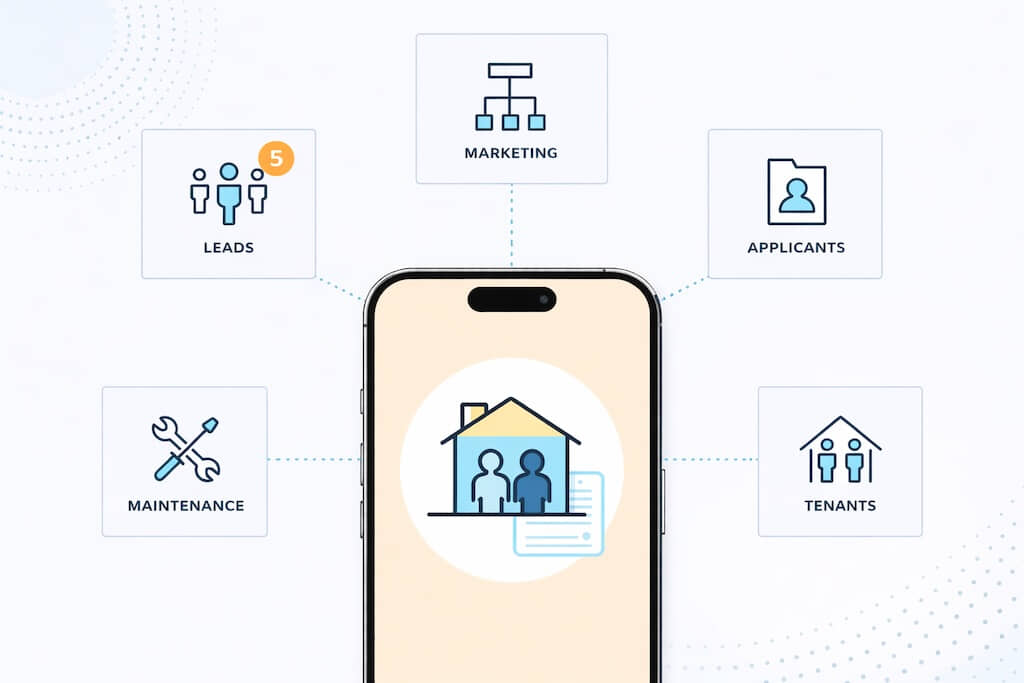
A reliable tenant background check helps Georgia landlords reduce risk and place qualified renters with greater certainty. Modern screening software like TurboTenant keeps the process efficient by delivering results shortly after tenant authorization.
Beyond screening, many platforms also support everyday rental management with:
- Georgia-specific leases: Create lease agreements that reflect current Georgia rental laws.
- Maintenance coordination: Track repair requests and keep tenant communication in one central system.
- Rent collection: Accept digital payments with automatic tracking and payment reminders.
- Accounting and bookkeeping: Monitor income and expenses with straightforward financial reporting.
Sign up for a free TurboTenant account today to simplify tenant screening and manage your Georgia rentals with practical tools built to support your workflow.