
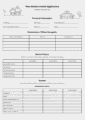
A tenant background check in New Mexico helps landlords make smarter decisions before approving an applicant. But if owners skip screening, they risk late payments, property damage, or avoidable disputes that drain time and money. Needless to say, reliable tenant screening tools give landlords clear insight and help set expectations early.
This article walks through what background checks typically include, the New Mexico and federal screening laws landlords should understand, how to run checks correctly, tips for smoother screening, and digital options that simplify the process. Stay tuned to get up to speed on screening rules and practical ways to protect your rental.
Information New Mexico Background Checks Cover
New Mexico landlords use background checks to verify key details and get a realistic sense of an applicant’s reliability. These reports pull together several data points, including:
Identity Verification
Strong screening starts with confirming you have the right person. Reports typically include name history, aliases, date of birth, and Social Security number traces. This process helps you accurately match records and spot red flags before they become bigger problems.
Income Verification
Income details help you determine whether a renter can comfortably manage the monthly rent. Landlords often review pay stubs, tax returns, or employer confirmations. New Mexico allows you to consider this information, provided you apply the same income standards to every applicant.
Criminal Background
Criminal history reports can highlight potential safety or liability concerns. Screening providers pull records from public databases, but you should focus on relevance, timing, and patterns rather than applying automatic denials. Consistent standards help you stay compliant with fair housing laws while protecting your property.
Credit History
A credit report shows how an applicant handles bills, loans, and recurring financial obligations. With proper authorization, screening services gather this data from major credit bureaus. Reviewing payment trends and overall credit behavior helps you gauge the likelihood of on-time rent.
Eviction History
Eviction records can reveal past lease disputes or serious payment issues. Court filings provide helpful context, especially when you look for repeated patterns instead of reacting to a single case.
Rental History
An applicant’s rental track record often predicts how they will treat your property. By contacting previous landlords and reviewing address history, you can confirm payment habits, respect for lease terms, and overall reliability before you approve the lease.
How to Run a Background Check in New Mexico

Landlords who follow a consistent screening process reduce risk and make clearer approval decisions across applications:
- Collect the rental application and written consent: Request a completed application and signed authorization before pulling any consumer or background reports.
- Verify tenant’s identity and address history: Confirm personal information and prior addresses so records align correctly with the applicant.
- Run criminal background and sex offender checks: Order authorized searches to review relevant records while applying fair housing guidance during evaluation.
- Pull the credit report and review results: Examine the full credit report to understand payment behavior, outstanding debt, and overall financial patterns.
- Analyze eviction history and court records: Review housing-related court filings to spot trends that could affect lease compliance.
- Verify employment, income, and rental history: Contact employers and previous landlords to confirm income stability and past rental conduct.
- Review results against screening criteria: Measure findings against written standards to support consistent and defensible decisions.
Many landlords streamline these steps by relying on trusted third-party screening platforms that centralize reports, save time, and help reduce administrative mistakes.
Federal Screening Laws
Landlords must follow federal laws that shape tenant screening rules nationwide, including New Mexico, regardless of property location, unit count, or management style. These laws include:
Fair Credit Reporting Act: Federal consumer reporting rules under the FCRA govern how landlords request, review, and act on credit and background reports, including written consent requirements, accuracy standards, and required adverse action notices.
Equal Credit Opportunity Act: Housing decisions must comply with the ECOA, which bars discrimination and requires landlords to apply the same screening standards and approval criteria to all applicants.
Americans with Disabilities Act: Under the ADA, housing providers must allow reasonable accommodations and avoid screening practices that unfairly screen out applicants with disabilities during the approval process.
New Mexico Screening Laws
New Mexico applies state-level screening rules that reinforce federal requirements and, in some cases, place additional limits on how landlords evaluate rental applicants.
Permitted screening criteria: New Mexico allows landlords to review income, employment history, rental history, and credit-related information when making rental decisions, as long as owners apply the same standards to every applicant and rely on objective, tenancy-related factors tied to performance and reliability.
Prohibited screening criteria: State law bars landlords from denying housing based on protected characteristics, including race, religion, sex, national origin, disability, ancestry, sexual orientation, gender identity, or spousal affiliation, even when owners believe those traits relate to risk or compatibility.
Considering a tenant’s criminal history: New Mexico permits criminal background checks, but landlords must avoid automatic disqualifications and connect decisions to legitimate safety or property concerns rather than broad assumptions about past convictions.
Adverse action requirements: New Mexico requires landlords to communicate screening decisions clearly and consistently when they deny an application or adjust rental terms based on background information that affects applicant eligibility.
Reusable tenant screening reports: New Mexico does not require landlords to accept reusable tenant screening reports from prior applications, which allows owners to rely on their own screening process and preferred reporting services.
Supporting law: N.M. Stat., Ch. 28, Art. 1
Tips for Analyzing a Tenant Background Check

Running reports alone does not guarantee good decisions. Landlords who follow established review practices lower risk, stay consistent, and make fair screening choices:
Apply the same screening criteria to every applicant: Set clear written standards and apply them evenly so each applicant goes through the same evaluation process without exception.
Consider the full report, not just summary scores: Review supporting details rather than relying on scores alone to understand what actually shapes an aapplicant’s risk profile.
Focus on recent, housing-related issues: Pay closer attention to records tied to rent payments, lease compliance, or housing disputes, especially those from recent years.
Weigh patterns more than isolated events: Repeated issues often signal higher risk than single incidents, so look for trends that suggest ongoing problems.
Allow applicants to explain or dispute results: Give applicants time to address errors or provide context, which helps prevent decisions based on outdated or inaccurate data.
Document how each decision was made: Keep clear notes on how each report aligned with your criteria to support consistent and defensible outcomes.
Follow all federal, New Mexico, and local screening laws: Stay current on applicable laws and confirm your screening process meets legal requirements at every step.
New Mexico-Compliant Tenant Screening Software

A consistent tenant background check helps New Mexico landlords make informed decisions and streamlines approvals by collecting authorizations, pulling reports, and delivering accurate results within 15 minutes of authorization.
Sign up for a free TurboTenant account today to simplify screening, leasing, and day-to-day property management tasks.