
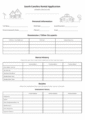
A tenant background check helps South Carolina landlords evaluate applicants before making a final decision. Skipping proper screening can lead to missed rent payments, property damage, or drawn-out disputes that quickly add up. Needless to say, ollowing a consistent screening process helps landlords make better decisions.
This guide explains what background checks cover, the South Carolina and federal screening laws landlords should know, how to run checks correctly, tips for smoother approvals, and digital tools that speed things up. Stay tuned for a practical breakdown.
Information South Carolina Background Checks Cover
A tenant screening report gives South Carolina landlords a fuller picture than an application alone. By reviewing an applicant across several categories, landlords can evaluate risk more clearly and apply the same screening standards to every applicant.
Identity Verification
Screening usually begins with confirming the applicant is who they claim to be. Landlords review basic personal details and identification records to match the application with official databases. Verifying identity helps reduce fraud, ensures the report connects to the right person, and keeps the screening process accurate from the start.
Income Verification
Steady income helps show whether rent will be manageable month after month. Landlords often verify earnings through pay stubs, bank statements, or employer confirmation that shows consistent income. South Carolina landlords can review this information, provided they apply the same affordability standards to every applicant.
Criminal Background
Criminal background checks can highlight issues that may affect property safety or liability. Screening services gather records from public court databases to provide additional context. Landlords should review this information regularly and follow federal guidance discouraging blanket denials based solely on criminal history.
Credit History
A credit report helps landlords understand how an applicant manages financial responsibilities. Payment history, balances, and past delinquencies can reveal patterns that suggest how reliably someone pays bills. By analyzing credit history, landlords can spot warning signs and better predict whether rent payments will stay on track.
Eviction History
Eviction filings can reveal serious past rental problems that may repeat. Screening reports pull housing court records to show landlords whether an applicant has been evicted before. Looking at these records helps landlords identify patterns of lease violations or chronic payment issues during the screening process.
Rental History
Past rental experience often provides the clearest signal of how someone will handle a new lease. Landlords may contact previous property managers or review references to confirm payment history, property care, and compliance with rules. A strong rental history can reassure landlords that an applicant is likely to be dependable.
How to Run a Background Check in South Carolina

Running a background check in South Carolina follows a straightforward process that helps landlords stay consistent, organized, and legally compliant from start to finish:
- Collect the rental application and written consent: Gather a completed application and signed authorization that legally allows you to request and review screening reports.
- Verify the tenant’s identity and address history: Confirm identifying details and past addresses to ensure screening results align with the correct applicant.
- Run criminal background and sex offender checks: Review available public records to flag criminal history that may raise safety or housing concerns.
- Pull the credit report and review results: Examine credit data to understand payment habits, outstanding debt, and overall financial responsibility.
- Analyze eviction history and court records: Look for housing-related filings that may suggest repeated lease violations or payment problems.
- Verify employment, income, and rental history: Confirm income sources, job stability, and landlord references to support rent affordability and reliability.
- Review results against screening criteria: Compare findings to your written standards to make fair, consistent approval or denial decisions.
Many landlords use trusted third-party screening software to simplify this process, by running reports, reviewing results, and managing documentation in one place.
Federal Screening Laws
Several federal laws guide how landlords screen applicants nationwide and set baseline rules for fairness, privacy, and consistency. These requirements apply in all 50 states and shape how you collect, review, and act on screening information:
Fair Credit Reporting Act: When landlords use consumer reports, the FCRA requires written consent, reasonable accuracy, and proper adverse action notices, which helps ensure applicants understand how screening decisions affect them.
Equal Credit Opportunity Act: The ECOA prohibits discrimination in screening based on protected characteristics, reinforcing the need for consistent criteria applied equally to every applicant.
Americans with Disabilities Act: The ADA requires landlords to provide reasonable accommodations during the screening and tenancy processes, supporting equal access to housing for applicants with qualifying disabilities.
South Carolina Screening Laws
South Carolina tenant screening rules largely follow federal housing and consumer reporting laws rather than detailed state-specific procedures. State screening regulations include:
Permitted screening criteria: South Carolina landlords may evaluate objective factors, including income, credit history, rental history, references, and eviction records, when reviewing applicants. Landlords may set reasonable qualification standards tied to rent affordability and lease compliance, as long as they apply the same criteria consistently to every applicant.
Prohibited screening criteria: The South Carolina Fair Housing Law prohibits housing decisions based on protected characteristics, including race, color, religion, sex, familial status, and national origin. Screening policies that exclude applicants based on these protected classes violate state law (S.C. Code Ann. § 31-21-40).
Considering a tenant’s criminal history: South Carolina does not impose statewide limits on the review of criminal records during tenant screening. Landlords may consider criminal history tied to safety or property concerns, while federal Fair Housing Act guidance discourages blanket bans.
Adverse action requirements: When a landlord denies an application or changes lease terms based on a consumer report, the federal Fair Credit Reporting Act requires an adverse action notice that identifies the reporting agency and explains the applicant’s right to dispute inaccurate information.
Reusable tenant screening reports: South Carolina law does not require landlords to accept reusable tenant screening reports from applicants. Landlords may choose their own screening provider as long as they follow federal consumer reporting rules and apply screening standards consistently.
Tips for Analyzing a Tenant Background Check

Reading screening reports carefully helps landlords make fair, defensible decisions. Following proven best practices improves consistency, reduces risk, and supports compliant tenant screening across every application:
Apply the same screening criteria to every applicant: Create written standards for income, credit, and rental history, then use them consistently to limit bias and support fair housing compliance.
Consider the full report, not just summary scores: Review detailed records instead of relying on quick scores, which helps you understand timelines, context, and how different factors affect housing risk.
Focus on recent, housing-related issues: Prioritize recent evictions, unpaid rent, or lease violations that directly relate to tenancy, rather than older or unrelated financial events.
Weigh patterns more than isolated events: Ongoing issues often signal greater risk than a single mistake, which helps landlords evaluate long term reliability more accurately.
Allow applicants to explain or dispute results: Give applicants space to clarify errors or share context, which promotes fairness and prevents decisions based on incomplete information.
Document how each decision was made: Keep clear records showing how reports matched your criteria, which helps protect your process if questions or disputes arise later.
Follow all federal, South Carolina, and local screening laws: Stay current on applicable regulations to keep your screening process compliant from application to approval.
South Carolina-Compliant Tenant Screening Software
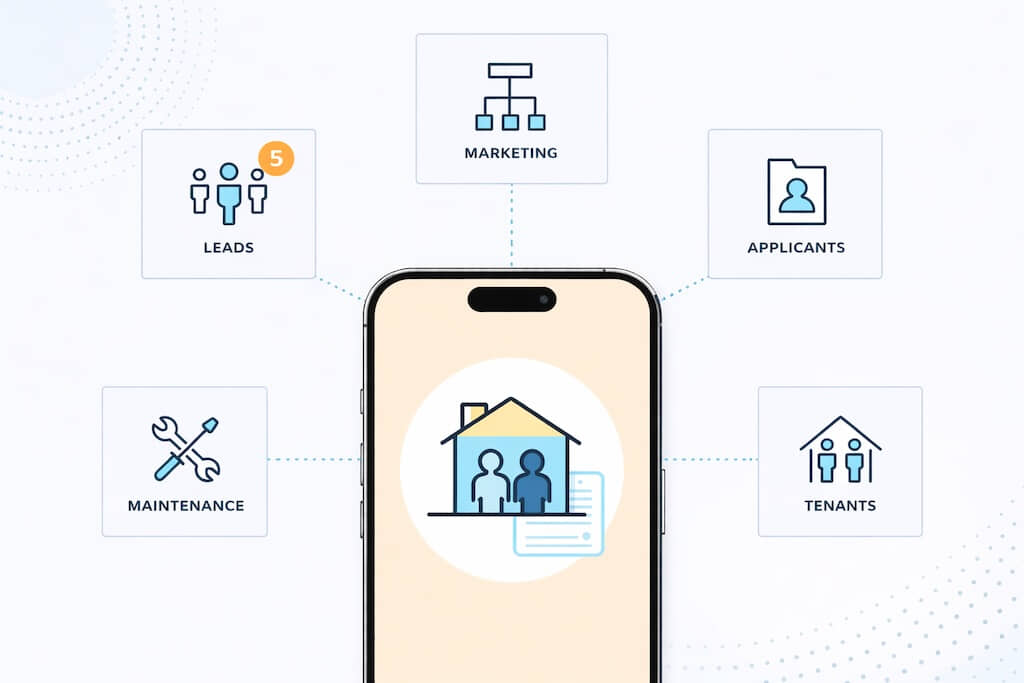
Running a tenant background check in South Carolina plays a key role in protecting your property and choosing reliable tenants. Screening tools help by delivering accurate results within minutes of tenant authorization, helping landlords move faster without cutting corners.
Sign up for a free account today to manage screening, leasing, and rent collection more efficiently from a single platform.