
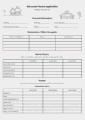
A tenant background check in Wisconsin helps landlords evaluate applicants before approving a lease. Skipping a proper screening process can lead to unpaid rent, lease violations, or preventable disputes that turn a potentially good rental arrangement into an expensive problem.
This article covers what background checks include, Wisconsin and federal screening laws landlords should understand, how to run checks, tips for keeping the process smooth, and digital tools can streamline screening. Keep reading for a practical, landlord-focused breakdown.
Information Wisconsin Background Checks Cover
Tenant screening reports help Wisconsin landlords look beyond the basic application and evaluate renters more consistently. By reviewing identity, finances, and past rental behavior together, landlords gain a clearer picture of whether an applicant is likely to be a reliable tenant.
Identity Verification
Confirming identity is one of the first steps in tenant screening. Landlords typically review government-issued identification and use screening tools to match personal details with public records. This process helps prevent fraud and ensures that the background report is linked to the correct applicant.
Income Verification
Income information helps landlords determine whether rent will be manageable each month. Applicants often provide pay stubs, bank statements, or employer verification showing steady earnings. Reviewing this information helps landlords apply consistent affordability standards and lowers the risk of missed rent payments.
Criminal Background
Criminal background checks can highlight issues that may affect property safety or community well-being. Screening services gather records from public databases after receiving the applicant’s authorization. Reviewing this information carefully helps landlords apply consistent criteria and make more informed approval decisions.
Credit History
A credit report provides insight into how an applicant manages financial responsibilities over time. Landlords review payment history, debt levels, and other financial signals that may affect a tenant’s reliability in paying rent. These patterns can help landlords estimate how consistently an applicant may keep up with monthly payments.
Eviction History
Eviction records can reveal serious past rental issues that may signal future risk. Screening reports pull housing court filings to show landlords whether an applicant has been evicted before. Identifying these records early helps landlords avoid potential payment or lease compliance problems.
Rental History
An applicant’s past rentals often give the clearest picture of how they’ll handle a lease. Screeners may contact previous property managers or review rental references to confirm payment history, property care, and compliance with rules. A strong rental history helps signal a dependable tenant.
How to Run a Background Check in Wisconsin

Running a background check in Wisconsin follows a straightforward process that helps landlords gather reliable information and screen applicants consistently before moving forward with a lease.
- Collect the rental application and written consent: Start with a completed application and signed authorization so you can legally request credit and background information.
- Verify tenant’s identity and address history: Review government-issued identification and confirm prior addresses to make sure records match the applicant.
- Run criminal background and sex offender checks: Use approved screening tools to review criminal records and registry information connected to the applicant.
- Pull the credit report and review results: Request the credit report with consent and examine payment history, outstanding debt, and overall financial habits.
- Analyze eviction history and court records: Search court filings and eviction records to identify prior housing disputes or unpaid rent.
- Verify employment, income, and rental history: Contact employers and previous landlords to confirm income stability and past rental performance.
- Review results against screening criteria: Compare findings to your written standards to make fair, consistent, and defensible decisions.
Many landlords turn to trusted third-party screening software to reduce paperwork and speed up the process.
Federal Screening Laws
Federal laws set baseline rules for tenant screening and apply to landlords in all 50 states. These regulations guide how you gather applicant information, evaluate reports, and make screening decisions consistently and legally:
Fair Credit Reporting Act: The FCRA requires landlords to obtain written consent before running reports, use screening data responsibly, and send proper adverse action notices when a report influences a denial.
Equal Credit Opportunity Act: The ECOA prohibits discrimination in screening based on protected characteristics and requires landlords to apply the same approval standards to all applicants.
Americans with Disabilities Act: The ADA requires landlords to allow reasonable accommodations and to avoid screening practices that unfairly exclude applicants with disabilities when such requests do not pose safety or operational issues.
Wisconsin Screening Laws
Wisconsin adds several state rules that work alongside federal screening laws and limit how landlords collect and use applicant information.
Permitted screening criteria: Wisconsin landlords may require tenant screening, including credit and background checks, as part of the application process. Landlords may charge an application or screening fee of up to $25 to cover the actual cost of obtaining reports, provided they disclose the fee and its purpose in writing before collecting it (Wis. Stat. § 704.085).
Prohibited screening criteria: State law prohibits housing decisions based on protected characteristics, including race, color, religion, sex, disability, familial status, sexual orientation, marital status, national origin, or lawful source of income. Landlords must apply the same screening standards to every applicant (Wis. Stat. § 106.50).
Considering a tenant’s criminal history: Wisconsin allows landlords to review criminal history during screening. However, fair housing rules require landlords to avoid discriminatory policies and apply criminal history criteria consistently to all applicants (Wis. Stat. § 106.50).
Adverse action requirements: When a landlord denies an application based on screening results, Wisconsin law requires the landlord to provide the specific reason for denial if the applicant requests it and to supply a copy of any consumer report used in the decision (Wis. Stat. § 704.085).
Reusable tenant screening reports: Wisconsin allows applicants to provide their own consumer credit report dated within the past 30 days instead of paying for a new one. Landlords must also provide copies of screening reports they obtain upon an applicant’s request (Wis. Stat. § 704.085).
Tips for Analyzing a Tenant Background Check

Careful review of screening results helps landlords make smarter decisions and avoid costly mistakes. Following consistent best practices keeps your process fair, defensible, and compliant with screening laws:
Apply the same screening criteria to every applicant: Rely on written standards for income, credit, rental history, and background results so you treat each applicant consistently from start to finish.
Consider the full report, not just summary scores: Dig into the full report instead of relying on summary numbers, since details often explain the reasons behind credit or background findings.
Focus on recent housing-related issues: Prioritize concerns related to rent or housing, as older or unrelated issues often carry less relevance today.
Weigh patterns over isolated events: Look for repeated late payments or lease problems rather than overreacting to a single missed payment or one-time issue.
Allow applicants to explain or dispute results: Give applicants a chance to explain past issues or correct errors, which helps prevent decisions based on incomplete information.
Document how each decision was made: Keep clear records showing how each report matched your criteria, which supports consistency and protects you if questions arise later.
Follow all federal, Wisconsin, and local screening laws: Stay aware of screening rules at every level to ensure your process remains compliant throughout the application review.
Wisconsin-Compliant Tenant Screening Software

Using a tenant background check helps Wisconsin landlords confidently screen applicants while complying with state and federal regulations. Screening software streamlines the process by collecting authorization and delivering accurate results, helping landlords move faster without cutting corners.
Ready to simplify screening and property management?
Sign up for a free TurboTenant account today and start managing rentals more efficiently from this day forward.